All Categories
Featured
Table of Contents
Lots of marketing platforms and consultancy websites offer complimentary or paid templates created to guide companies through competitive market analysis. These consist of SWOT matrices, competitor profiling sheets, and comparison control panels. A good template will help ensure you consider key elements such as target market, pricing, worth proposition, client experience, and digital footprint.
Mobile First Web DesignReports from sources like Statista, IBISWorld, and Mintel offer important insights into market share, customer trends, macroeconomic elements, and competitive shifts across markets. For organizations aiming to comprehend the more comprehensive competitive landscape or standard their performance, registering for these reportsor working with a marketing research agencyis typically worth the investment.
You can compare domain traffic, keyword rankings, paid marketing spend, backlink techniques, and content efficiency. These platforms are important for digital-first companies and are progressively being utilized by conventional players to remain competitive in online markets. Platforms such as Brandwatch, Hootsuite Insights, or Sprout Social can help assess public understanding and display engagement metrics.
This type of insight goes beyond what conventional surveys can record and feeds into a more vibrant understanding of your competitors' brand health. One type of competitive research study typically underused is secret shopping or competitor product screening.
These companies use tailored competitor research study, customer segmentation, pattern forecasting, and benchmarking tailored to your strategic goals. They can likewise assist in carrying out market analysis and competition evaluations that are particular to geographic areas or industry verticals. Whether you remain in B2B or consumer markets, these tools and techniques use scalable options to make your competitor intelligence more actionable and accurate.
Comparative Analysis On Industry Performance Metrics
The most effective brand names no longer treat rival market analysis as a one-time audit. Leading business construct automated tracking systems that keep track of market rivals throughout digital channels, pricing databases, product listings, and press protection.
Staying ahead of the competitors frequently comes down to who understands the customer much better. Competitive research study needs to be paired with direct customer insightcollected through interviews, surveys, and behavioral information. The overlap between client expectations and competitor blind areas is where breakthrough opportunities often lie. Understanding your competitors is necessary, but simply copying them will not guarantee market share.

Markets are moving much faster, and competitive pressures can alter quickly. Constructing a culture where your group is motivated to pivot when new information becomes readily available assists ensure your techniques stay relevant.
Comprehending these constraints assists make sure that your findings are interpreted correctly and used wisely. Not all competitor information is public or reputable.
Key Insights for Improving Marketing ROI
Instead of developing value, companies might end up going after trends. This approach dilutes brand name identity and often leads to tactical confusion. A well-rounded analysis consists of both competitive intelligence and a strong understanding of your core value proposal. With numerous tools and metrics readily available, teams can end up being overwhelmed. Excessive data without a clear structure can cause choice paralysis.
A typical error is seeing competitive research study in isolation. Market trends, customer behavior, regulative changes, and economic forces all shape outcomes. Your analysis should sit within a broader market research study and competitive analysis technique. Some groups invest too long examining rivals and not sufficient time acting on the insights.
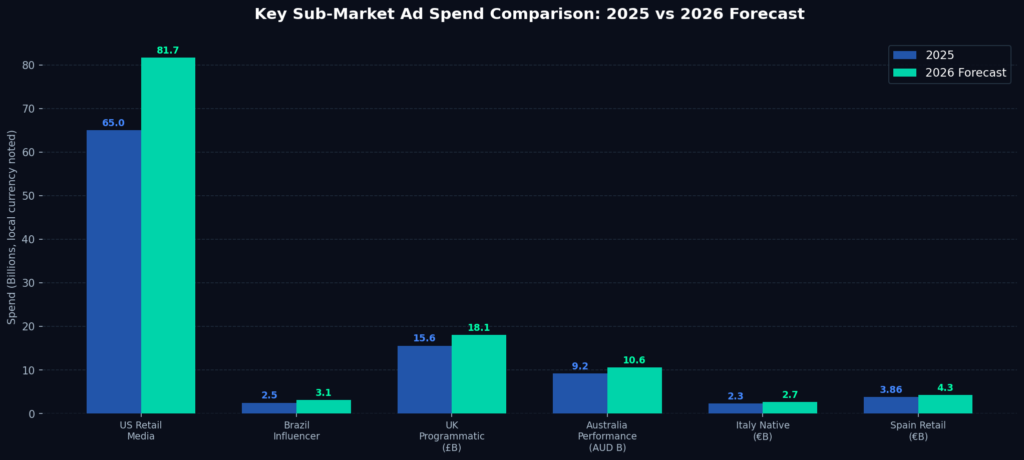
As competition heightens across industries, the way organizations approach competitive market analysis is undergoing a remarkable shift. Conventional approaches of keeping track of competitors are being enhancedor in many cases, replacedby advanced, technology-driven methods. For brands aiming to lead rather than follow, comprehending and adopting these emerging trends is no longer optional.
Mobile First Web DesignMarkets are moving faster, and competitive pressures can change quickly. Constructing a culture where your team is encouraged to pivot when brand-new information becomes available assists guarantee your techniques remain pertinent.
Comprehending these restrictions helps make sure that your findings are translated properly and used wisely. Not all rival information is public or reputable.
Mapping Market Segments for 2026
Rather of developing value, companies might wind up chasing patterns. This approach waters down brand name identity and often leads to strategic confusion. A well-rounded analysis consists of both competitive intelligence and a strong understanding of your core value proposition. With many tools and metrics readily available, groups can become overloaded. Too much data without a clear framework can result in choice paralysis.
A common error is viewing competitive research in isolation. Your analysis ought to sit within a wider market research and competitive analysis technique.
As competitors intensifies across industries, the way services approach competitive market analysis is going through a remarkable shift. Conventional techniques of keeping track of rivals are being enhancedor sometimes, replacedby advanced, technology-driven methods. For brand names aiming to lead instead of follow, comprehending and embracing these emerging trends is no longer optional.

Latest Posts
The Executive Approach to Growing Firms
Sector-Specific Growth Strategies for Pest Control Marketing In Southern California Firms
The Role of Executive Leadership in Marketing