All Categories
Featured
Table of Contents
Something we understand is that revenue operations leaders do not think their procedures are versatile or effective enough to permit them to react to changing market conditions. Forrester's Earnings Operations Study, 2024, found that 49% of earnings operations leaders believe their procedures aren't versatile enough for fast action when conditions alter, and 46% believe their processes are mostly manual and lack automation.
Advances in AI innovations promise performance gains, game-changing advancements, and a total reimagining of what's possible across all corners of GTM efforts. Yet companies depend on income operations functions to line up longer-term vision with smooth execution by taking charge at the intersection of GTM procedure, innovation, and individuals to drive value for clients and internal stakeholders.
Internet Marketing Chino CA
Earnings operations must steer the vision by purposefully applying AI across GTM processes to reap the guaranteed rewards. To make the most of AI's guarantee of increased productivity and lower costs, companies need data of quality, texture, and substance suitable to the task. Forrester's Income Operations Survey, 2024, found that B2B organizations aren't there yet, with 38% of earnings operations leaders believing that data lacking in accuracy and quality is amongst information users' top difficulties.
Comparing Legacy Workflows Versus Modern Agency Models
There's no better expression of an organization's concerns than where it applies its resources. To line up resources with 2026 imperatives, operations leaders should: AI is expected to open a host of new potential, however to benefit from this moment, operations leaders need to remain concentrated on applying it to make their companies more versatile, nimble, and versatile.
Lots of out-of-date B2B practices continue due to the entrenched state of mind of "that's the method it's always been done." Developing more versatile, effective, and customer-obsessed GTM processes require B2B organizations to make room for the new by rooting out legacy financial investments that keep them locked in the past. Operations leaders can look for savings by moving far from antiquated sales role-plays, tactic-level marketing attribution, and ineffective pursuit of a single source of reality crossing data sources.
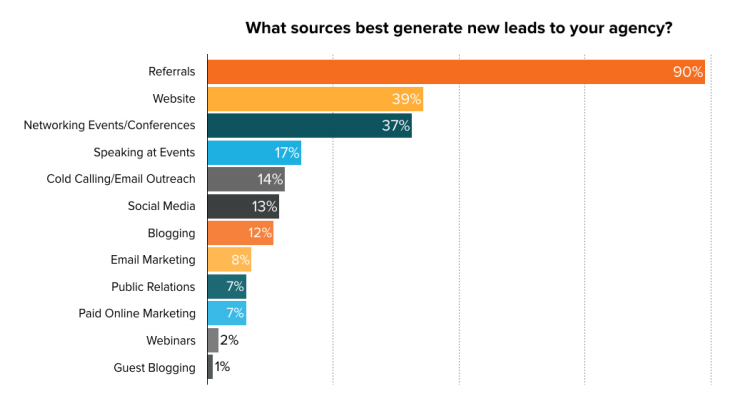
Now's the time for positive income operations leaders to try out new methods that might drive flexibility. Establish experiments around adaptive planning, pilot brand-new strategies for effort prioritization, and work on information ontologies that can power AI efforts. Forrester customers can read our in-depth recommendations in the report, Budget plan Preparation Guide 2026: Income Operations, or register to sign up with me and my colleagues for a webinar where we'll discuss our budget plan suggestions in detail and address your concerns.
In today ambitious landscape, every team within marketing has its function to play in driving development, supporting sales, and improving operational performance. Today, in a fast-pathed software application business of almost 1,000 staff members with enthusiastic growth targets, I see firsthand the importance and challenges of having a strong Marketing Operations team.
The battle is real, but the potential impact is even higher! At its core, Marketing Operations drives the effectiveness, scalability, and success of both sales and growth marketing initiatives. This group is typically accountable for establishing and managing CRM databases, refining lead scoring models, assigning leads, evaluating sales and marketing performance, and structure automation to enhance both sales and marketing effectiveness.
How Operational Efficiency Is Critical for Agency Scaling
However in younger organisations, especially start-ups and scale-ups, Marketing Operations is often under-resourced and misinterpreted. Source: Material Marketing Institute When Marketing Operations is fully leveraged, it functions as an effective enabler, helping sales groups close offers faster and development marketing groups achieve greater returns on investment. Without a strong Marketing Operations function, business risk inefficient procedures, lost leads, unclear performance metrics, and missed growth opportunities.
Marketing Operations handles and optimises CRM information to make sure that sales and marketing groups have access to top quality leads and precise customer details. Inadequately handled databases result in lost resources, as sales groups may lose time chasing after cold or incorrect leads. Lead Task and Lead Scoring: When Marketing Operations effectively appoints leads and implements a strong lead scoring system, it guarantees that sales associates are hanging around on leads that are most likely to convert.
Efficiency Analysis and Reporting: Among the most crucial responsibilities of Marketing Operations is determining and analysing marketing and sales efficiency. This consists of everything from tracking essential performance signs (KPIs) to comprehending which campaigns provide the best ROI. By delivering actionable insights, Marketing Operations empowers leaders to make data-driven decisions, fine-tune techniques, and optimise budget plans.

Latest Posts
The Executive Approach to Growing Firms
Sector-Specific Growth Strategies for Pest Control Marketing In Southern California Firms
The Role of Executive Leadership in Marketing